Plant Health
Published
Regenerative agriculture: how biotechnology drives the sustainable future of farming
Natural biostimulants restore soil health and transform agricultural systems
Why regenerative agriculture is so necessary
According to the FAO, more than 33% of the world's soils are degraded, and their recovery will be key to feeding a population that will exceed 9.7 billion people by 2050.
Global agriculture faces unprecedented challenges:
- soils losing fertility at an accelerating rate
- increasingly unpredictable climate patterns
- constantly growing food demand
This scenario demands a profound transformation of the production model toward more resilient, balanced, and regenerative systems. For this reason, regenerative agriculture is emerging as a key alternative to restore soil health and ensure long-term productivity. This practice, supported by advances in agricultural biotechnology, is laying the foundations for a more sustainable future.
What is regenerative agriculture and why is it essential today?
Regenerative agriculture does not seek merely to reduce environmental impact, but to actively improve agricultural ecosystems. It is based on principles such as soil regeneration, biodiversity promotion, and carbon capture, with the goal of restoring the natural functionality of agroecosystems.
According to the FAO, more than 33% of the world's soils are degraded, and their recovery will be key to feeding a population that will exceed 9.7 billion people by 2050. In this scenario, biotechnology becomes an essential tool to accelerate this regeneration, thanks to solutions such as agricultural biostimulants.
As our Plant Health team explains, «regenerative agriculture not only restores life to the soil, it also restores a future to the field. Investing in healthy soils means investing in the sustainability of the entire food chain.»
Biotechnology, a booming sector
The bioeconomy already generates more than €2.4 trillion annually and employs over 17 million people in the EU.
Biotechnology and biostimulants: allies in soil regeneration
Agricultural biostimulants play a decisive role in this model. These products, derived from natural or biotechnological compounds, improve soil health and crop efficiency, helping to reduce dependence on chemical synthesis inputs.
Biostimulants provide multiple benefits that contribute directly to soil regeneration and crop optimization:
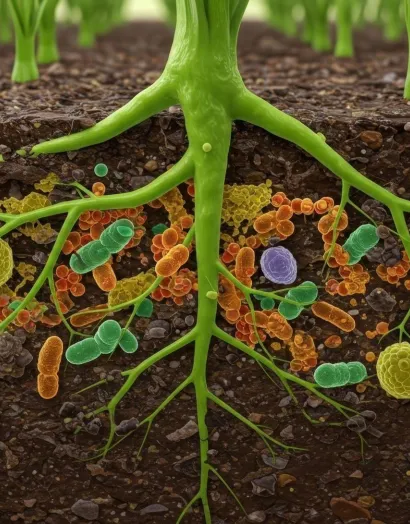
- Foster microbial soil activity, key to fertility and soil structure.
- Improve nutrient use efficiency, reducing the need for chemical synthesis fertilizers.
- Increase plant resilience to water, thermal, or saline stress.
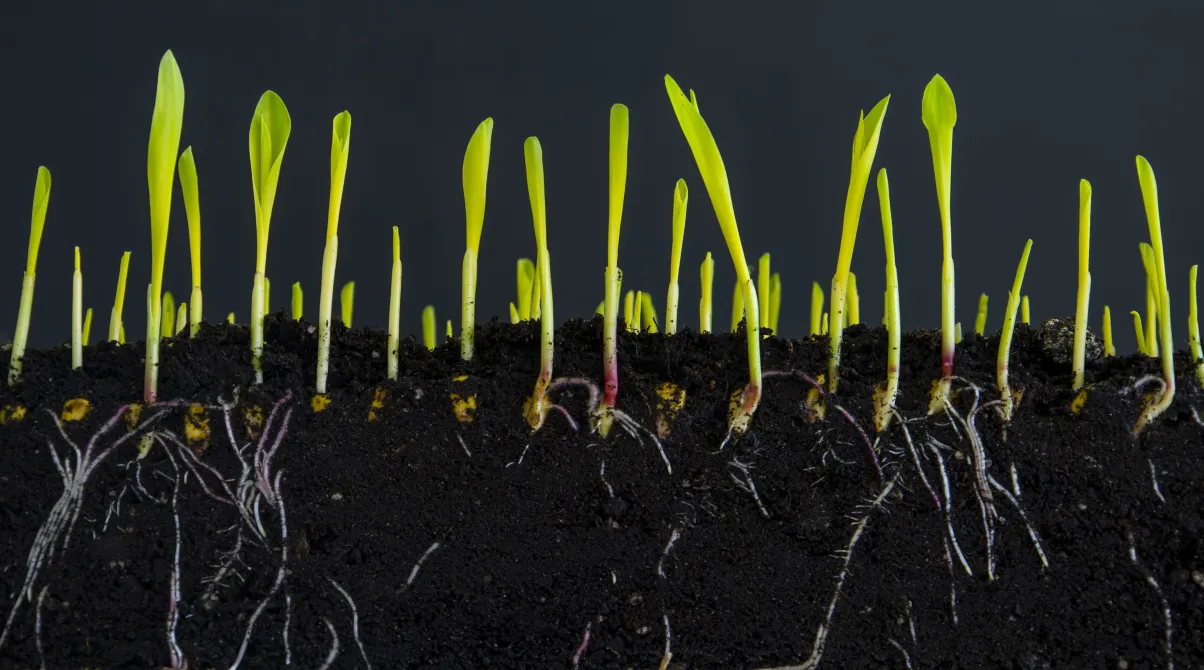
- Stimulate root development, resulting in stronger and more productive crops.
The role of advanced biotechnology
In this context, research and development of next-generation biostimulants is positioned as a transformative element. At Bioiberica Plant Health, we work to make applied biotechnology the driving force of this transition, through natural products obtained via advanced biotechnological processes that contribute to soil regeneration and promote sustainable agricultural systems.
A new, more sustainable agricultural model
Regenerative agriculture is transforming the way we understand production. Its approach combines economic performance, ecological balance, and social well-being—fundamental pillars of a modern agricultural bioeconomy.
According to the European Commission, the bioeconomy already generates more than €2.4 trillion annually and employs over 17 million people in the EU.
This trend aligns with the Sustainable Development Goals (SDGs), driving a more efficient, inclusive, and resource-respectful food system.
Key contributions of regenerative agriculture include:
- Soil regeneration: improves its structure and carbon sequestration capacity, contributing to climate change mitigation.
- Resource optimization: conserves water and energy through more efficient agricultural practices.
- Circular economy: reduces waste and emissions by integrating circularity principles in production.
- Biodiversity: strengthens the health and resilience of agricultural ecosystems.
Driving plant health with cutting-edge biosolutions
At Bioiberica, we research and work for sustainable, efficient, and biotechnology-based agriculture. The innovative solutions from our Plant Health division improve crop quality and yield, as well as strengthen their natural resistance to stress conditions.
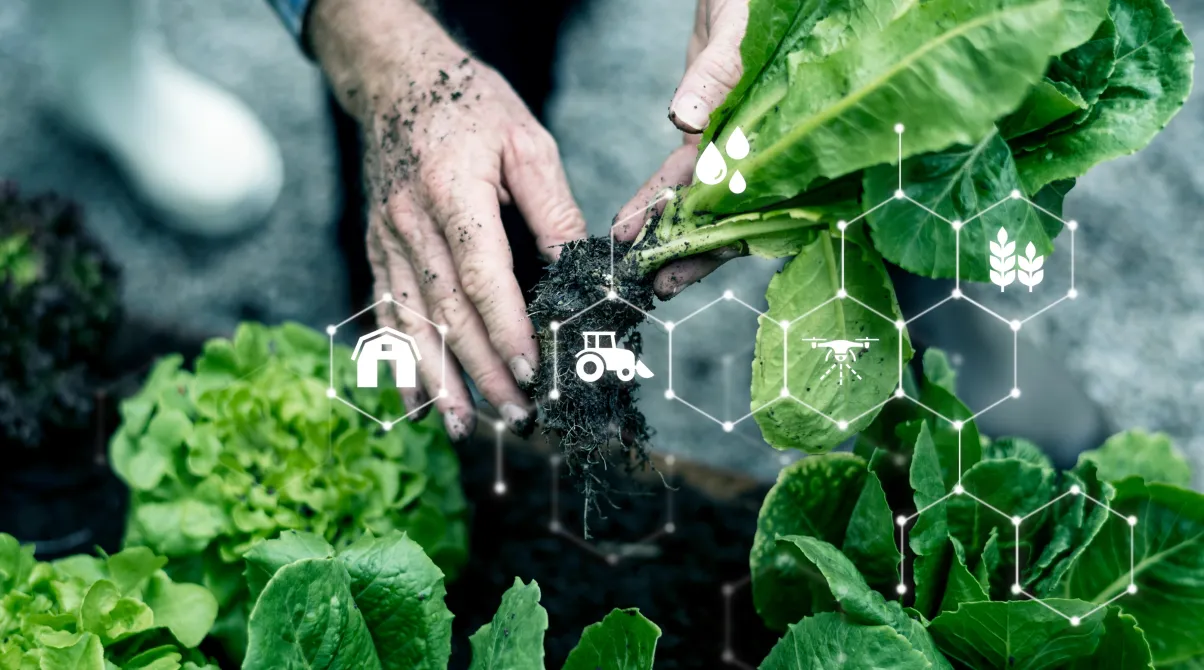
Our commitment to regenerative agriculture
With over 50 years of experience in biotechnology, at Bioiberica Plant Health we work for healthier and more resilient agriculture. Our mission is clear: to improve crop productivity and sustainability through biotechnological solutions of natural origin that care for the soil, plants, and the planet.
Through our biostimulants, we support farmers in their transition to regenerative models, providing tools that balance economic profitability, environmental sustainability, and ecosystem conservation.
Bibliography
- FAO – Food and Agriculture Organization of the United Nations. (2022). Agricultural biotechnology and biostimulants for a sustainable future.
- European Commission. (2023). Brief on jobs and growth in the EU bioeconomy 2012–2021. JRC Publications.
- OECD – Organización para la Cooperación y el Desarrollo Económicos. (2020). Biotechnology for sustainable agriculture and food security. OECD Publishing
- Soil Health Institute. (2022). The state of soil health: Regenerative agriculture practices.
- UNEP – Programa de las Naciones Unidas para el Medio Ambiente. (2021). Regenerative agriculture: restoring ecosystems for a sustainable food future.
Global Health Stories
All stories
Success stories, updates and news that explain how we work to improve the health and wellbeing of people, animals and plants.