Plant Health
Published
Root asphyxia after heavy rainfall: what happens underground and how to help crops recover
The excess of water in the soil compromises root respiration and can affect yield. Anna Botta, Bioiberica Plant Health specialist, shares the physiological keys to accelerating crop recovery
Anna Botta, plant physiologist (Bioiberica)
"When the root enters hypoxia, energy production collapses — and with it the root's capacity to absorb nutrients, grow and maintain the plant's hormonal balance."
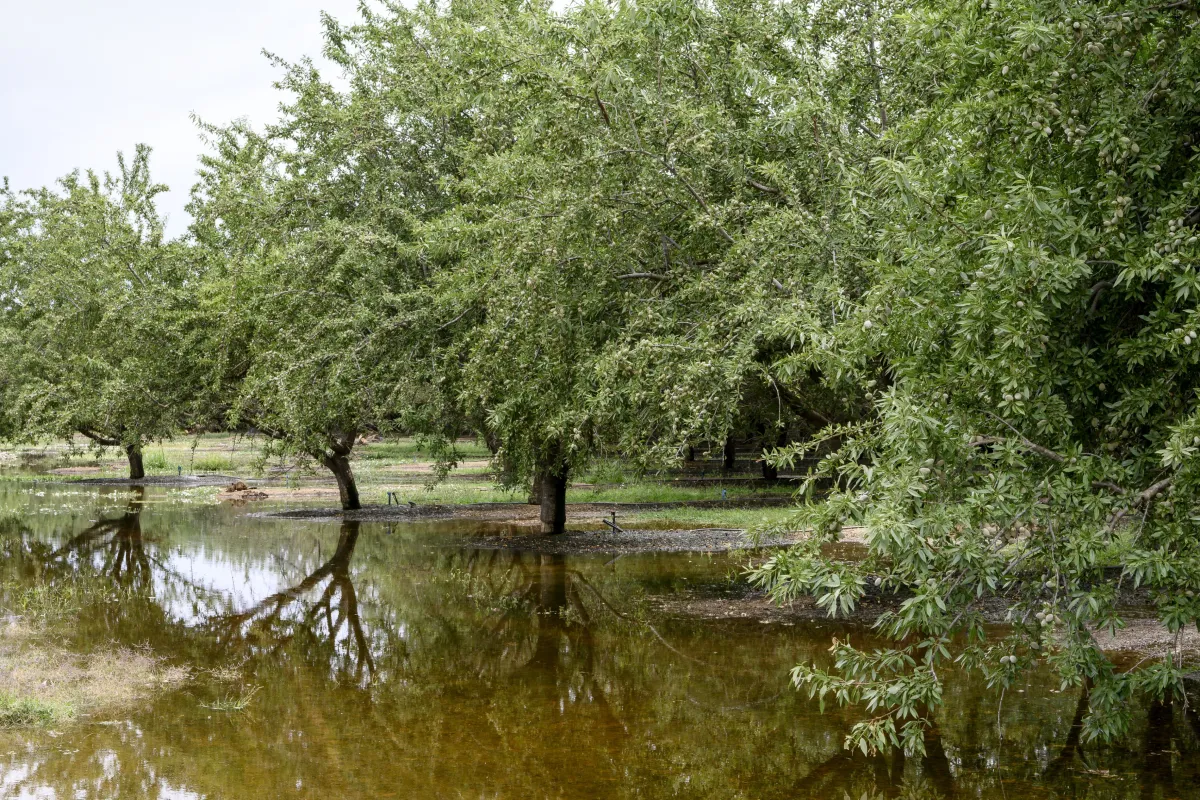
Heavy and persistent rainfall is, in principle, good news for the field. However, when soil remains saturated with water for days, a silent problem with direct consequences for yield is triggered: root asphyxia — a phenomenon that farmers often describe as roots drowning or suffocating due to a lack of oxygen in the soil.
Although the visible symptoms appear in the aerial part of the plant — chlorosis, lack of vigour, growth arrest, or flower and fruit drop — the origin of the problem lies underground. "Understanding what is happening physiologically in the root is key to acting with agronomic judgement and accelerating crop recovery," says Anna Botta, plant physiologist at Bioiberica's Plant Health department.
What is root asphyxia and why does it occur?
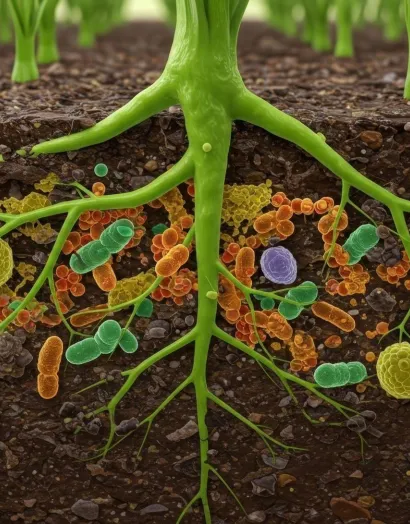
Root asphyxia occurs when excess water saturates the soil pores, drastically reduces oxygen availability in the rhizosphere, and compromises the cellular respiration of roots — affecting water and nutrient uptake, root growth, and the plant's physiological balance.
Under normal conditions, roots need oxygen to carry out cellular respiration, produce energy in the form of ATP — the molecule that acts as an energy source for all cellular functions — and keep essential processes active, such as water absorption, nutrient uptake and root growth.
When excess water displaces air from the soil, oxygen availability drops dramatically and the root enters a state of hypoxia or anoxia. "When this happens, the plant activates fermentative pathways that are far less efficient. Energy production collapses — and with it the root's capacity to absorb nutrients, grow and maintain its hormonal balance," explains Botta.
What effects does waterlogging have on the root system?
One of the most critical effects of prolonged waterlogging is the death of root hairs and fine roots — precisely the most active structures in the root system. "Necrosis of root apices occurs, along with a drastic reduction in the effective absorption surface. It is paradoxical: even though the soil is wet, the plant may show symptoms similar to water stress, because the root has lost its functionality," notes the physiologist.
Added to this is a change in the microbiological and chemical conditions of the waterlogged soil. Reductive processes intensify, phytotoxic compounds may accumulate, and susceptibility to pathogens increases. The weakened root system thus becomes an entry point for disease.
Anna Botta, plant physiologist (Bioiberica)
"Even though the soil is wet, the plant may show symptoms similar to water stress, because the root has lost its functionality."
What are the symptoms of root asphyxia in the field?
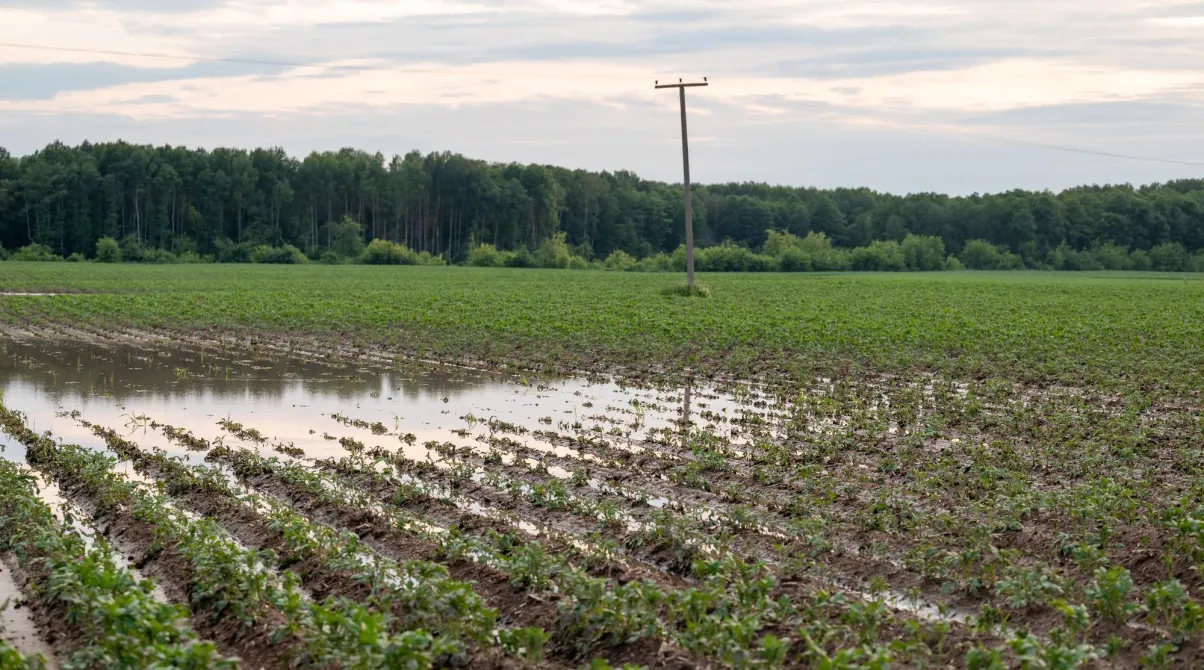
The impact of root asphyxia is not always immediate. In many cases, the effects manifest days or weeks after the rainfall event, which makes it difficult to associate the symptoms with their true cause.
Symptoms of root asphyxia in the field may include: generalised chlorosis, lack of vigour and growth arrest, flower or fruit drop at sensitive stages, and delays in phenological development. Correctly identifying the origin of the problem — oxygen deficiency in the roots, not water deficit — is essential to defining the appropriate course of action.
How to help a crop recover after a root asphyxia episode?
Once soil drainage is complete and excess water has been removed, the recovery strategy should focus on three areas:
- reactivating root metabolism
- stimulating the emergence of new functional roots
- restoring the plant's absorption capacity and physiological balance
"The strategy should not focus solely on the aerial part. Recovery starts in the root — and that is where high-quality biostimulants, applied via the root, can play a decisive role," says Botta.
What role do biostimulants play in root recovery?
Biostimulants such as Inicium® and Terra-Sorb® radicular, developed with Bioiberica's exclusive Enzyneer® technology, can contribute to crop recovery after a root asphyxia episode through several physiological mechanisms.
Firstly, the direct supply of amino acids reduces the energy cost associated with protein synthesis at a time when the root's biosynthetic capacity is compromised, facilitating metabolic reactivation and tissue regeneration.
In addition, L-α-amino acids participate in pathways related to auxin synthesis — hormones that are key for cell division and elongation, and for the formation of new lateral roots.
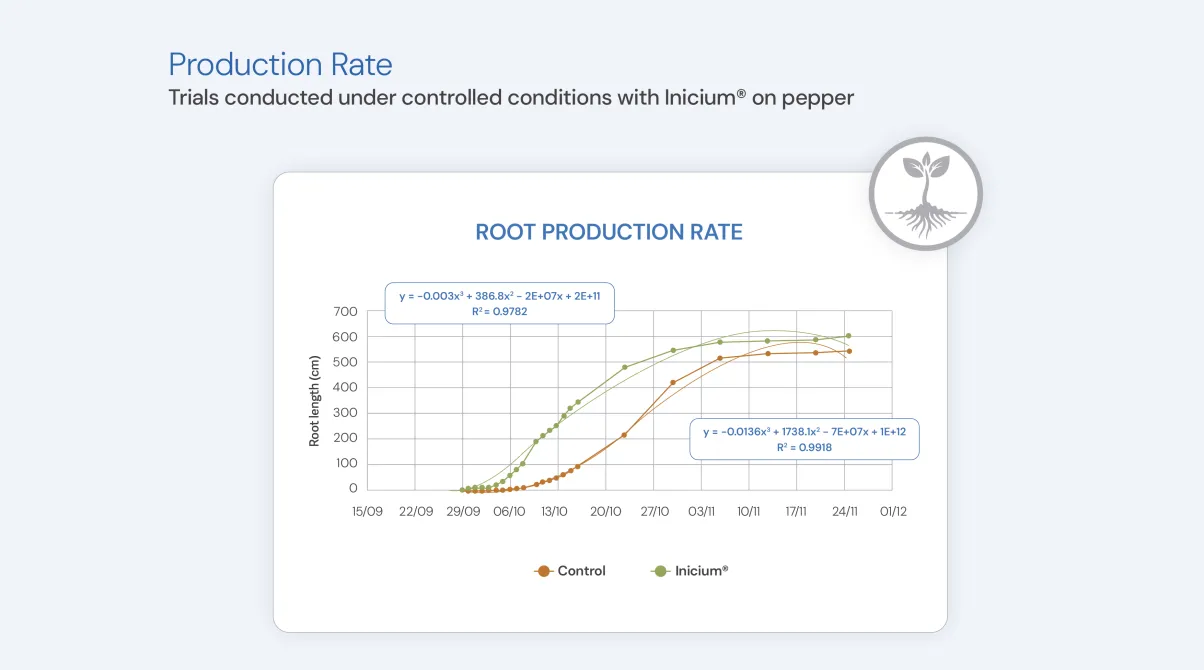
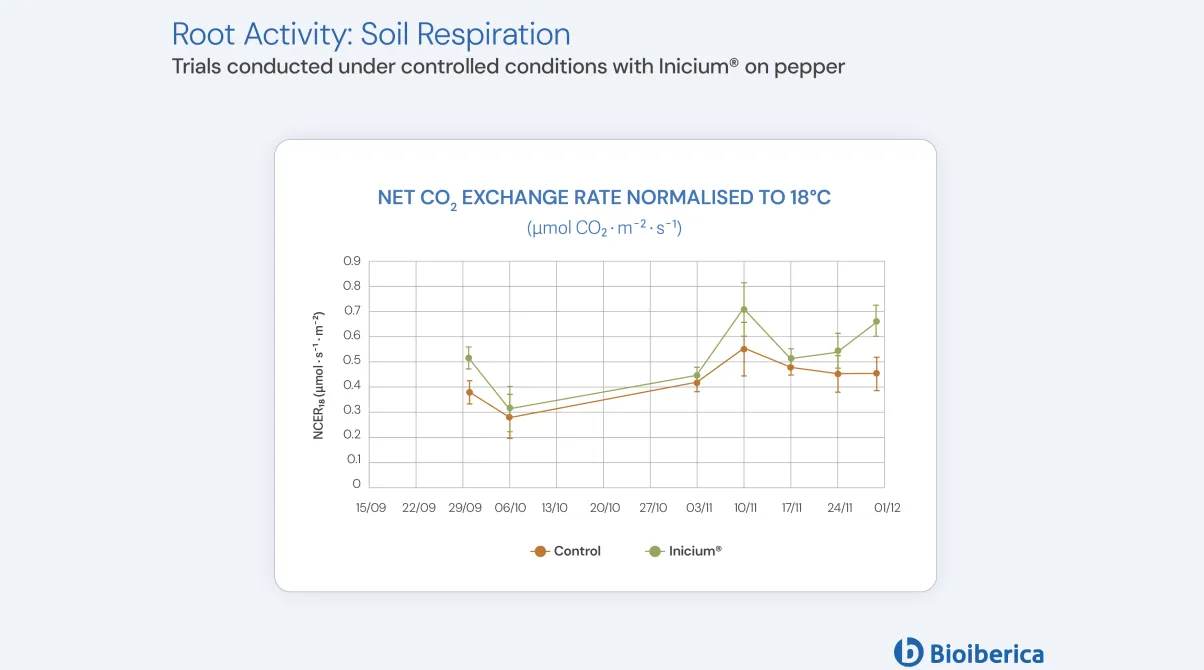
"New root emergence is critical after the loss caused by waterlogging. In trials conducted under controlled conditions with Inicium® on pepper, we observed greater root growth, a higher rate of root production in early stages and a faster recovery of root activity," highlights Botta.
Once the root system has been regenerated, the plant can progressively restore nitrogen and other nutrient uptake, water balance and, consequently, photosynthetic activity in the aerial part.
Anna Botta, plant physiologist (Bioiberica)
"The strategy should not focus solely on the aerial part. Recovery starts in the root."
Acting at the root to protect yield
Root asphyxia is a frequently underestimated stress with a direct impact on yield and final crop quality.
In a context of increasing climate variability, knowing what to do after heavy rainfall and waterlogged soils is becoming ever more relevant for agronomists and farmers alike. Understanding the physiological processes triggered underground and acting with tools grounded in plant physiology is key to building a more resilient agriculture.
"The use of biostimulants with a physiological basis and experimental backing can help reactivate metabolism, stimulate root regeneration and reduce the productive impact of stress. It is about acting where the problem truly begins," concludes Anna Botta.
Bibliographic references
- Bailey-Serres, J., & Voesenek, L. A. C. J. (2008). Flooding stress: acclimations and genetic diversity. Annual Review of Plant Biology, 59, 313–339.
https://doi.org/10.1146/annurev.arplant.59.032607.092752 - Voesenek, L. A. C. J., & Bailey-Serres, J. (2015). Flood adaptive traits and processes: an overview. New Phytologist, 206(1), 57–73.
https://doi.org/10.1111/nph.13209
Global Health Stories
All stories
Success stories, updates and news that explain how we work to improve the health and wellbeing of people, animals and plants.